
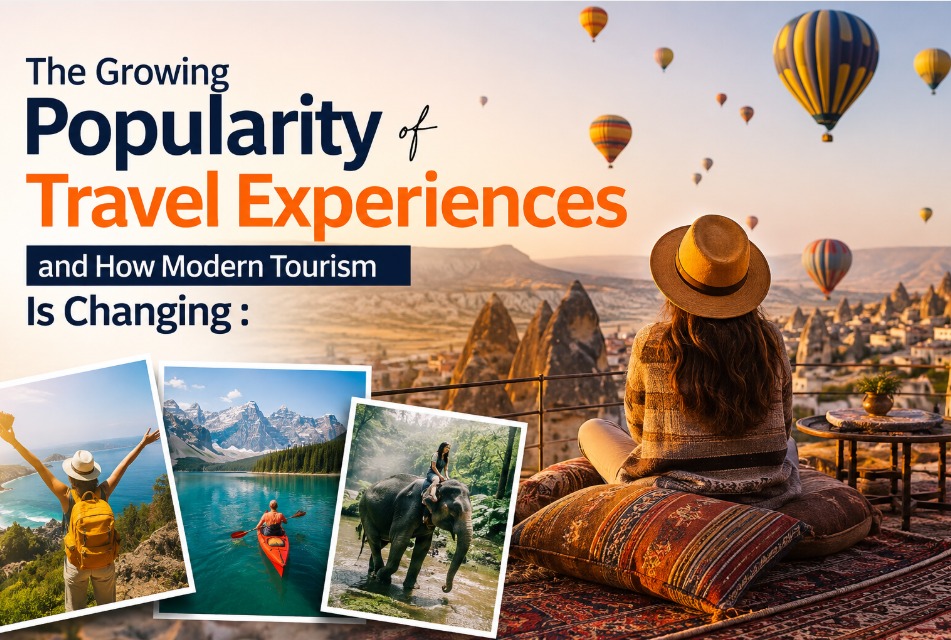
Travel has always been a way for people to explore new places, meet different communities, experience cultures, and take a break from everyday routines. However, the way people travel has changed significantly in recent years. Modern travelers are increasingly interested not only in visiting famous destinations but also in experiencing local culture, trying new activities, discovering nature, and creating meaningful memories.
The growth of digital technology has made travel planning easier than ever. People can research destinations, compare accommodation options, explore reviews, create itineraries, book transportation, and discover local attractions using smartphones and online platforms.
At the same time, travelers are becoming more interested in personalized experiences. Instead of following the same traditional tourist routes, many people now look for activities that match their interests, such as food tours, cultural experiences, adventure activities, wellness retreats, photography trips, and nature-based travel.
Understanding Modern Travel Trends
Modern tourism is influenced by technology, changing lifestyles, transportation, social media, and evolving consumer preferences.
Travel Is Becoming More Personalized
Travelers no longer have to depend entirely on fixed tour packages.
They can create itineraries based on their preferred budget, interests, schedule, and travel style.
One person may prefer museums and historical sites, while another may choose beaches, mountains, food experiences, or outdoor activities.
Experiences Matter More to Many Travelers
For many people, travel is about more than visiting a destination.
They want to experience local food, traditions, landscapes, festivals, art, and everyday life.
These experiences can make trips feel more personal and memorable.
The Role of Technology in Travel
Technology has transformed almost every stage of a journey.
Planning Trips Online
Travelers can research destinations, transportation, hotels, attractions, restaurants, weather conditions, and local activities online.
Digital maps and travel applications can also help people navigate unfamiliar locations.
Smartphones as Travel Companions
A smartphone can provide access to maps, translation tools, digital tickets, booking information, communication applications, and travel documents.
This has made international and domestic travel more convenient for many people.
Social Media and Travel Inspiration
Social media has become an important source of travel inspiration.
Discovering New Destinations
Photographs, videos, travel stories, and recommendations can introduce audiences to destinations they may not have considered previously.
A small town, local café, scenic road, or cultural attraction can gain attention when travelers share their experiences online.
Travel Content Creation
Travel bloggers, photographers, vloggers, and social media creators have turned travel into a major content category.
Their experiences can provide practical information about destinations while also inspiring audiences to explore new places.
The Growth of Domestic Tourism
International travel attracts significant attention, but domestic tourism remains an important part of the travel industry.
Exploring Nearby Destinations
People can discover attractions within their own state, region, or country.
Short trips can be easier to organize and may require less travel time than international holidays.
Weekend Travel
Short weekend trips have become attractive for people with busy schedules.
A nearby destination can provide an opportunity to relax and explore without requiring a long vacation.
Cultural Tourism
Cultural tourism focuses on experiencing the history, traditions, art, food, architecture, and lifestyle of a destination.
Learning Through Travel
Visiting historical sites and museums can provide educational experiences.
Travelers can gain a deeper understanding of local history by seeing important places in person.
Local Festivals and Traditions
Festivals can provide opportunities to experience local music, food, clothing, art, and traditions.
Responsible participation can also help visitors appreciate cultural practices while respecting local communities.
Food Tourism Is Growing
Food has become an important part of travel experiences.
Exploring Local Cuisine
Travelers often want to taste dishes that are associated with a particular region.
Local markets, restaurants, street food, cooking classes, and food festivals can provide opportunities to explore regional flavors.
Cooking Experiences
Cooking classes allow travelers to learn how local dishes are prepared.
These experiences can be especially memorable because they combine food with culture and personal participation.
Nature-Based Travel
Many travelers are interested in natural environments.
Mountains, forests, beaches, rivers, deserts, and national parks can attract visitors looking for relaxation or adventure.
Outdoor Activities
Hiking, cycling, camping, kayaking, birdwatching, and photography are examples of activities that can be included in nature-focused trips.
Travelers should follow local safety instructions and environmental guidelines when participating in outdoor activities.
Appreciating Natural Landscapes
Nature-based travel can provide opportunities to disconnect from busy urban environments.
Spending time in natural surroundings can also encourage greater appreciation for environmental conservation.
Adventure Tourism
Adventure travel has become popular among people looking for active experiences.
Different Levels of Adventure
Adventure does not always mean extreme activities.
Trekking, cycling, rafting, camping, zip-lining, and outdoor exploration can provide different levels of excitement.
Travelers should select activities according to their experience and physical abilities.
Safety Should Come First
Adventure activities should be undertaken with appropriate preparation and guidance.
Following professional instructions, using suitable equipment, and understanding local conditions can help reduce unnecessary risks.
Wellness Tourism
Travel is increasingly connected with relaxation and personal well-being.
Wellness Retreats
Some travelers choose destinations that offer yoga, meditation, spa services, nature experiences, healthy food, or other relaxation-focused activities.
These trips can provide a break from demanding routines.
Slow Travel
Slow travel encourages people to spend more time in fewer destinations rather than trying to visit as many places as possible.
This approach can allow travelers to explore local communities at a more relaxed pace.
Sustainable Tourism
Environmental awareness is influencing travel decisions.
Reducing Travel Waste
Travelers can reduce unnecessary waste by carrying reusable bottles, bags, and other items where appropriate.
Avoiding littering and following local waste-management rules are simple ways to travel responsibly.
Supporting Local Businesses
Choosing local restaurants, guides, shops, artisans, and accommodation providers can help contribute to the local economy.
Responsible tourism can create benefits for both visitors and communities.
The Importance of Responsible Travel
Travel provides opportunities, but visitors also have responsibilities.
Respecting Local Culture
Travelers should respect local customs, traditions, dress expectations, religious sites, and community rules.
Understanding cultural differences can lead to more respectful and enjoyable experiences.
Protecting Natural and Historical Sites
Tourists should avoid damaging natural landscapes or historical structures.
Following designated paths, avoiding littering, and respecting restrictions can help preserve destinations for future visitors.
The Changing Hotel Experience
Accommodation has also evolved.
Travelers can choose from traditional hotels, resorts, guesthouses, hostels, homestays, serviced apartments, and other options.
Travelers Have More Choices
Different accommodation types serve different needs.
Families may prefer larger spaces, while solo travelers may look for budget-friendly options.
Some travelers prioritize luxury, while others focus on location, local atmosphere, or unique experiences.
Technology in Hotels
Digital check-ins, mobile applications, online room services, smart-room features, and digital payment options are becoming more common in the hospitality industry.
Technology can improve convenience while allowing hotels to personalize certain services.
The Growth of Solo Travel
Solo travel has become an attractive option for many people.
Freedom and Flexibility
Traveling alone allows individuals to create their own schedules.
They can choose destinations and activities according to their personal interests without having to coordinate with a group.
Personal Growth
Solo travel can encourage independence, planning, decision-making, and confidence.
Travelers often need to manage transportation, schedules, budgets, and unexpected situations independently.
Family Travel
Family vacations remain an important part of tourism.
Creating Shared Memories
Travel can provide families with opportunities to spend time together away from everyday routines.
Visiting attractions, exploring new places, sharing meals, and participating in activities can create lasting memories.
Planning for Different Needs
Family trips often require careful planning.
Parents may need to consider transportation, accommodation, food preferences, activities, rest periods, and the needs of children or older family members.
Budget Travel
Travel does not always require a luxury budget.
Planning Can Reduce Costs
Travelers can compare transportation and accommodation options, choose suitable travel periods, and plan activities in advance.
Setting a realistic budget can help prevent unnecessary spending.
Experiences Do Not Always Need to Be Expensive
Many destinations offer free or low-cost attractions such as public parks, walking routes, local markets, cultural spaces, and scenic areas.
Travelers can often create meaningful experiences without spending heavily.
The Future of Travel
The tourism industry will continue to evolve with technology and changing consumer expectations.
Artificial intelligence may assist travelers with itinerary planning, destination recommendations, translation, and personalized suggestions.
Virtual experiences may also help people explore destinations before deciding where to travel.
At the same time, travelers are likely to continue valuing authentic experiences that cannot be completely replaced by technology.
Conclusion
Modern travel is becoming more personalized, experience-focused, and technology-driven. Travelers now have access to more information, accommodation options, transportation choices, and activities than ever before.
Cultural tourism, food experiences, nature trips, wellness travel, adventure activities, solo journeys, family vacations, and sustainable tourism are all contributing to the changing travel landscape.
Technology has made planning easier, but responsible travel remains important. Respecting local communities, protecting natural environments, supporting local businesses, and following destination guidelines can help ensure that tourism creates positive experiences.
Ultimately, travel is about more than moving from one location to another. It can provide opportunities to learn, relax, discover new perspectives, meet people, experience cultures, and create memories.
As travelers continue to seek meaningful experiences, the future of tourism will likely focus on combining convenience and technology with authenticity, sustainability, and human connection.