
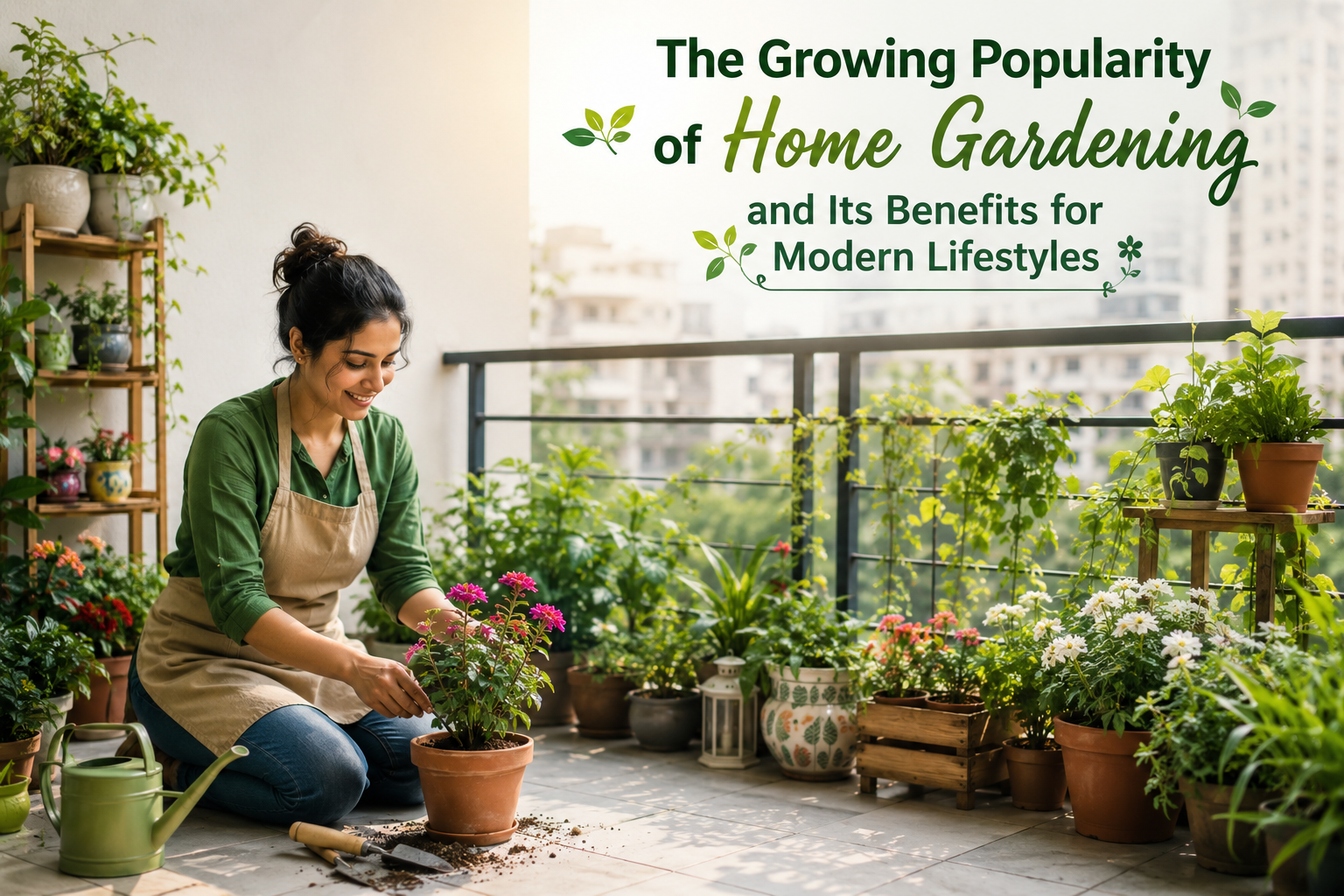
Home gardening has become an increasingly popular lifestyle activity among people living in cities, towns, and rural areas. As modern life becomes busier and more people spend significant amounts of time indoors, gardening provides an opportunity to reconnect with nature, grow plants, and create a more pleasant living environment.
Gardening does not always require a large outdoor space. People living in apartments can grow herbs, flowers, vegetables, and decorative plants on balconies, windowsills, terraces, or other suitable areas. Those with larger spaces can create vegetable gardens, flower beds, lawns, or small outdoor landscapes.
Beyond decoration, gardening can encourage patience, responsibility, creativity, and appreciation for nature. It can also become an enjoyable hobby for individuals and families.
Understanding Home Gardening
Home gardening refers to growing and caring for plants around a home.
The type of gardening depends on available space, climate, sunlight, water availability, and personal interests.
Gardening Can Fit Different Lifestyles
A person with limited space can choose container gardening, while someone with a larger yard may create a more extensive garden.
Some people focus mainly on flowers, while others prefer herbs, vegetables, indoor plants, or fruit-bearing plants.
Gardening Does Not Need to Be Complicated
Beginners can start with a few easy-to-care-for plants.
Learning basic requirements such as sunlight, watering, soil, and drainage can help new gardeners develop confidence over time.
The Growth of Balcony Gardening
Urban living has encouraged new forms of gardening.
Making Use of Small Spaces
Balconies can become useful spaces for growing plants when suitable containers and safety considerations are taken into account.
Vertical arrangements, hanging planters, and compact pots can help make efficient use of limited areas.
Growing Herbs at Home
Herbs such as mint, coriander, basil, and other suitable varieties can be grown in containers depending on local conditions.
Having fresh herbs nearby can make gardening both practical and enjoyable.
Indoor Gardening
Indoor plants have also become popular.
Adding Greenery to Homes
Plants can add visual interest to rooms and workspaces.
People can select plants according to available light, temperature, humidity, and maintenance requirements.
Choosing Suitable Plants
Not every plant is suitable for indoor conditions.
Before purchasing a plant, it is useful to understand its sunlight and watering requirements.
Selecting plants that match the environment can make maintenance easier.
Gardening as a Relaxing Hobby
Many people find gardening enjoyable because it provides a break from screens and routine responsibilities.
Spending Time With Nature
Planting, watering, pruning, and observing growth can encourage people to spend time outdoors or focus on a natural activity.
Patience and Observation
Plants grow gradually.
Gardening teaches people to observe changes over time and understand that healthy growth often requires patience.
Growing Vegetables at Home
Home vegetable gardening can be particularly rewarding.
Fresh Produce
Growing vegetables at home can provide access to fresh produce when the plants are successfully cultivated.
The available options depend on climate, season, space, and growing conditions.
Learning Where Food Comes From
Gardening can help children and adults understand how plants grow and how much care is involved in producing food.
This can encourage greater appreciation for agriculture and food resources.
Gardening and Family Activities
Gardening can become a shared family activity.
Teaching Children About Nature
Children can learn about seeds, soil, insects, plant growth, and seasonal changes through practical activities.
Simple tasks such as watering plants or planting seeds can make learning interactive.
Creating Shared Responsibilities
Family members can divide gardening responsibilities.
One person may water plants while another removes weeds or checks for pests.
This can turn gardening into a collaborative activity.
Gardening and Creativity
Gardening provides many opportunities for creative expression.
Designing Garden Spaces
People can experiment with plant arrangements, containers, pathways, colors, and decorative elements.
Even a small balcony can be organized according to personal taste.
Combining Different Plants
Different plant shapes, colors, heights, and textures can create interesting visual combinations.
Gardeners can experiment with arrangements and gradually improve their designs.
Gardening and Sustainable Living
Home gardening can complement environmentally responsible lifestyles.
Composting Organic Waste
Some households use composting systems to convert suitable organic waste into compost.
Compost can be used to improve soil depending on the gardening system.
Reducing Unnecessary Waste
Reusable containers and gardening materials can sometimes reduce the need for disposable alternatives.
Gardeners can also reuse suitable household containers as plant pots when they are safe and have appropriate drainage.
Water Conservation in Gardening
Water is an important resource for plants.
Avoiding Overwatering
Different plants require different amounts of water.
Overwatering can damage certain plants, while insufficient water can affect growth.
Understanding the needs of each plant can help gardeners use water more effectively.
Choosing Appropriate Plants
Selecting plants suited to local climate conditions can make gardening easier.
Plants that naturally adapt to the local environment may require less intensive care.
Gardening and Local Biodiversity
Gardens can provide small habitats for insects, birds, and other organisms.
Supporting Pollinators
Suitable flowering plants can attract bees, butterflies, and other pollinating insects.
Gardeners can choose plants that are appropriate for their local environment and avoid unnecessary disturbance to beneficial insects.
Creating a Variety of Plant Life
Growing different types of plants can create a more diverse garden environment.
Native and locally suitable plants can be particularly valuable for supporting local ecosystems.
The Role of Gardening in Urban Areas
Cities often have limited green spaces.
Home gardens can add greenery to balconies, terraces, windows, and small outdoor spaces.
Creating Greener Neighborhoods
When many households grow plants, the overall environment can become greener.
Community gardens can also provide shared spaces where residents grow plants together.
Community Gardening
Community gardens allow people to share knowledge, resources, and responsibilities.
They can also create opportunities for neighbors to interact and build stronger local connections.
Gardening and Digital Technology
Technology has become useful even in traditional hobbies such as gardening.
Gardening Applications
Digital applications can provide information about plant care, watering schedules, gardening techniques, and seasonal activities.
Online Gardening Communities
Gardeners can share photographs, ask questions, exchange ideas, and learn from experienced growers through online communities.
This can be especially helpful for beginners.
Common Challenges for Beginners
New gardeners may face several difficulties.
Plant Care Mistakes
Beginners may sometimes overwater plants, provide insufficient light, choose unsuitable soil, or select plants that do not match local conditions.
These mistakes are part of the learning process.
Pests and Plant Diseases
Plants can be affected by insects and diseases.
Gardeners should identify problems carefully and choose appropriate control methods while following product instructions and local recommendations.
How Beginners Can Start Gardening
Starting small can make gardening easier.
Choose a Few Easy Plants
Instead of purchasing many plants at once, beginners can start with a small selection.
This allows them to understand basic care requirements without becoming overwhelmed.
Observe Before Making Changes
Plants provide signs about their condition through growth, leaf appearance, and soil moisture.
Regular observation can help gardeners identify problems early.
Keep Learning
Gardening is a skill that improves through experience.
Books, gardening communities, local experts, nurseries, and educational resources can provide useful information.
Gardening and Seasonal Planning
Different plants grow best during different seasons.
Understanding Local Conditions
Temperature, rainfall, sunlight, and seasonal changes can influence plant growth.
Gardeners should consider local conditions when choosing what to grow.
Planning Ahead
Preparing seeds, containers, soil, and suitable locations before a growing season can make gardening more organized.
Seasonal planning can also reduce unnecessary purchases.
The Future of Home Gardening
Home gardening is likely to continue evolving as urban populations grow and people seek ways to incorporate nature into their living spaces.
Vertical gardens, container gardens, smart irrigation systems, indoor growing equipment, and community gardening projects may become more common.
Technology can provide useful support, but traditional gardening skills will remain important.
The simple process of planting a seed, caring for it, and watching it grow will continue to provide a meaningful connection with nature.
Conclusion
Home gardening is more than a decorative hobby. It can provide opportunities for relaxation, creativity, learning, family activities, and greater appreciation for nature.
Whether someone has a large backyard, a small balcony, a terrace, or only a sunny windowsill, there are different ways to bring plants into everyday life.
Gardening can also encourage responsible habits such as conserving water, reducing organic waste, supporting biodiversity, and growing suitable plants locally.
For beginners, the best approach is to start small, learn gradually, and choose plants that match their available space and conditions.
As modern lifestyles become increasingly connected to technology and indoor environments, gardening offers a simple way to slow down and reconnect with the natural world. It demonstrates that even a small collection of plants can bring beauty, learning, and a sense of accomplishment into everyday life.