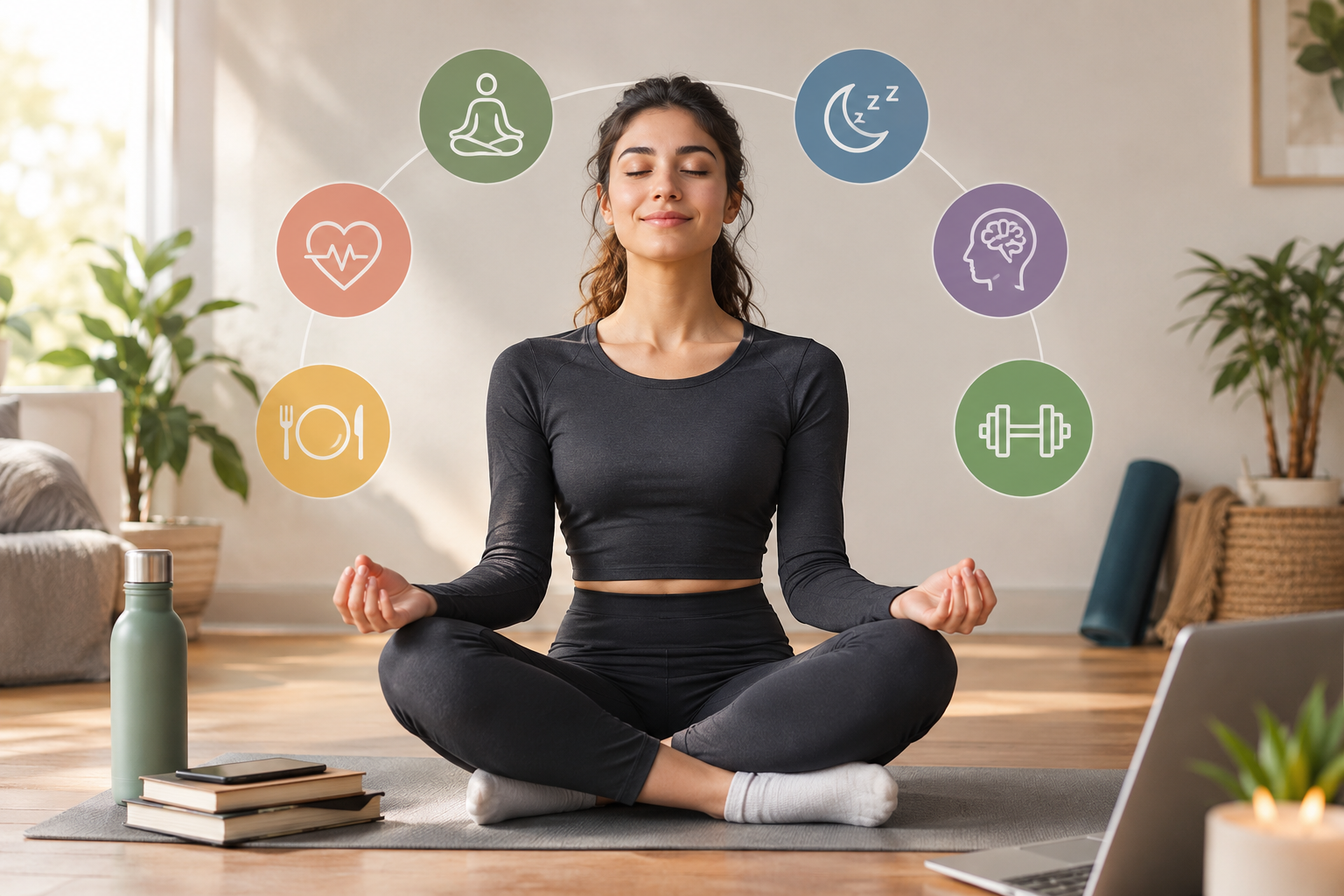

Fitness and active lifestyles have become an increasingly important part of modern life. People are becoming more aware of the value of regular movement, balanced routines, proper rest, and healthy lifestyle choices. Fitness is no longer limited to professional athletes or people who visit gyms regularly. Today, individuals with different ages, schedules, interests, and fitness levels are exploring ways to stay active.
The growth of digital technology has also changed the fitness experience. Smartphones, wearable devices, fitness applications, online workout videos, and virtual classes have made exercise more accessible. People can now track their activities, follow guided workouts, and learn about different forms of physical activity from home.
However, fitness is not about following a single routine or achieving a particular appearance. A sustainable active lifestyle is about finding enjoyable ways to move regularly and creating habits that can be maintained over time.
Understanding an Active Lifestyle
An active lifestyle involves incorporating regular physical movement into everyday life.
It does not necessarily require spending hours at a gym. Walking, cycling, dancing, swimming, playing sports, stretching, gardening, and other activities can contribute to a more active routine.
Fitness Looks Different for Everyone
Every person has different interests and abilities.
One individual may enjoy running, while another may prefer yoga, swimming, strength training, dancing, or long walks.
The most suitable activity is often the one that a person enjoys and can perform consistently.
Small Activities Can Matter
Physical activity does not always need to be intense.
Simple habits such as taking stairs, walking short distances, stretching during breaks, or spending more time outdoors can help people include more movement in their daily routines.
The Growing Popularity of Home Workouts
Home workouts have become a popular option for people who prefer flexibility.
Convenience of Exercising at Home
People can exercise without traveling to a gym.
A home workout can fit into different schedules and can be adapted to available space and equipment.
Online Fitness Content
Video platforms and fitness applications provide access to guided workouts, stretching sessions, dance routines, mobility exercises, and other forms of training.
People can select activities based on their interests and experience levels.
The Role of Technology in Fitness
Technology has changed how people approach exercise.
Fitness Applications
Fitness applications can help users organize workouts, track activities, set goals, and monitor progress.
Some applications also provide guided exercise programs and educational information.
Wearable Devices
Smartwatches and fitness trackers can record information such as steps, activity duration, workouts, and other measurements.
These tools can help users become more aware of their daily activity patterns.
However, such measurements should be treated as general indicators rather than perfect representations of health or fitness.
Walking as a Simple Form of Activity
Walking is one of the most accessible ways to stay active.
Easy to Include in Daily Life
People can walk during breaks, choose to walk for short errands, take evening walks, or explore local areas on foot.
Walking does not require complicated equipment and can fit into many lifestyles.
Walking and Social Activities
Walking can also become a social activity.
Friends, family members, or colleagues can walk together while talking and spending time outdoors.
This can make regular movement more enjoyable.
Strength Training and Functional Fitness
Strength-focused exercise has become increasingly popular.
Building Physical Capacity
Strength training can involve bodyweight exercises, resistance bands, free weights, machines, or other forms of resistance.
The focus can be on gradually improving strength and movement ability.
Functional Movement
Functional fitness focuses on movements that resemble activities people perform in everyday life.
Exercises may involve actions such as squatting, pushing, pulling, lifting, or carrying.
Proper technique and appropriate progression are important when beginning any new exercise program.
Yoga and Flexibility-Based Activities
Yoga, stretching, mobility exercises, and similar practices are popular among people looking for movement combined with relaxation and body awareness.
Flexibility and Mobility
Regular stretching and mobility work can help people move more comfortably.
Different forms of yoga also provide opportunities to focus on balance, breathing, movement, and relaxation.
Mindful Exercise
Some people appreciate activities that encourage them to pay attention to breathing and body movement.
This can make exercise feel less focused on performance and more focused on overall well-being.
Sports and Recreational Activities
Sports provide another enjoyable way to stay active.
Exercise Through Fun
Football, cricket, badminton, basketball, tennis, swimming, cycling, and other activities combine physical movement with entertainment.
People who enjoy a particular sport may find it easier to remain consistent because the activity feels recreational rather than like a routine obligation.
Social Benefits of Sports
Team sports can encourage communication, cooperation, and social interaction.
Sports clubs and community groups can also help people meet others who share similar interests.
The Importance of Consistency
Fitness progress generally depends on sustainable habits rather than short-term efforts.
Avoiding the “All or Nothing” Approach
Some people begin intense routines and then struggle to maintain them.
A more practical approach can involve starting at a manageable level and gradually increasing activity as appropriate.
Creating Realistic Goals
Goals should reflect individual circumstances.
A person may focus on becoming more active, improving strength, participating in a sport, or simply developing a consistent routine.
Realistic goals can make the process easier to maintain.
Fitness and Daily Routines
Exercise becomes easier to maintain when it fits naturally into everyday life.
Creating a Schedule
Setting aside a specific time for movement can make exercise more consistent.
Some people prefer morning workouts, while others find evenings more convenient.
Making Movement a Habit
Repeating an activity regularly can gradually turn it into a normal part of the day.
Even on busy days, short periods of movement can be useful when longer workouts are not practical.
The Importance of Rest and Recovery
An active lifestyle is not only about exercise.
Rest and recovery are also important parts of a balanced routine.
Allowing the Body to Recover
After demanding physical activity, the body needs time to recover.
Rest days and appropriate variation can help people maintain sustainable routines.
Sleep and Fitness
Good sleep supports overall functioning and can influence energy levels and daily performance.
Maintaining a consistent sleep routine can complement an active lifestyle.
Nutrition and Active Living
Food provides energy and nutrients needed for everyday activities.
Balanced Eating Habits
A balanced diet can include a variety of foods such as vegetables, fruits, grains, proteins, and healthy sources of fats.
Individual nutritional needs can vary depending on age, activity level, lifestyle, and other factors.
Hydration
Staying adequately hydrated is important, particularly during physical activity and in hot weather.
Water is generally an important part of everyday hydration.
People with specific dietary or medical needs should consult qualified professionals for personalized advice.
The Social Side of Fitness
Fitness does not have to be an individual experience.
Exercising With Friends
Working out with friends can make physical activity more enjoyable.
Having someone to exercise with may also provide encouragement and accountability.
Fitness Communities
Running clubs, sports groups, dance classes, gyms, and online communities can help people connect with others who share similar goals.
A supportive community can make it easier to maintain motivation.
Challenges of Maintaining an Active Lifestyle
Despite the benefits, people often face obstacles.
Busy Schedules
Work, education, family responsibilities, and other commitments can make it difficult to find time for exercise.
Planning short sessions or incorporating movement into everyday activities can provide practical alternatives.
Lack of Motivation
Motivation naturally changes over time.
Instead of relying entirely on motivation, developing simple routines and choosing enjoyable activities can help create consistency.
Comparing Yourself With Others
Social media often shows highly edited fitness content.
Comparing personal progress with someone else's appearance, routine, or achievements can create unrealistic expectations.
Fitness should be approached according to individual needs and circumstances.
Fitness and Mental Well-Being
Physical activity is often associated with positive feelings and improved mood.
Movement Can Provide a Break
A walk, workout, sports session, or stretching routine can provide a break from work or study.
Spending time away from screens can also create opportunities to focus on physical movement.
Outdoor Activities
Exercising outdoors can combine physical activity with time in natural surroundings.
Walking in parks, cycling, hiking, or playing outdoor sports can provide a change of environment.
The Future of Fitness
The fitness industry is likely to continue adopting technology.
Artificial intelligence, wearable devices, virtual classes, interactive workouts, and personalized digital platforms may influence how people exercise.
Personalized Fitness Experiences
Digital tools may increasingly provide recommendations based on individual activity patterns and preferences.
However, technology should complement rather than completely replace professional guidance when specialized instruction is needed.
More Flexible Fitness Options
People will likely have access to an increasing range of workout formats, from traditional gyms and sports clubs to home-based programs and outdoor activities.
This variety can make fitness more accessible to different lifestyles.
Conclusion
Fitness and active living have become an important part of modern lifestyle choices. People now have more options than ever to incorporate movement into their daily routines.
Walking, sports, strength training, yoga, cycling, swimming, dancing, home workouts, and outdoor activities can all provide ways to stay active.
Technology has made fitness information and tracking tools more accessible, while social communities can provide motivation and encouragement.
However, a healthy approach to fitness is not about following trends or comparing yourself with others. It is about creating realistic, enjoyable, and sustainable habits.
By choosing activities that fit individual lifestyles, allowing enough time for rest, maintaining balanced eating habits, and gradually building consistency, people can make physical activity a natural part of everyday life.
As modern lifestyles continue to change, the future of fitness will likely combine technology, community, flexibility, and personalized experiences while keeping one simple idea at its center: regular movement can be an enjoyable and valuable part of everyday living.